When everyone on the team describes the brand differently
Published on Sep 09, 2026
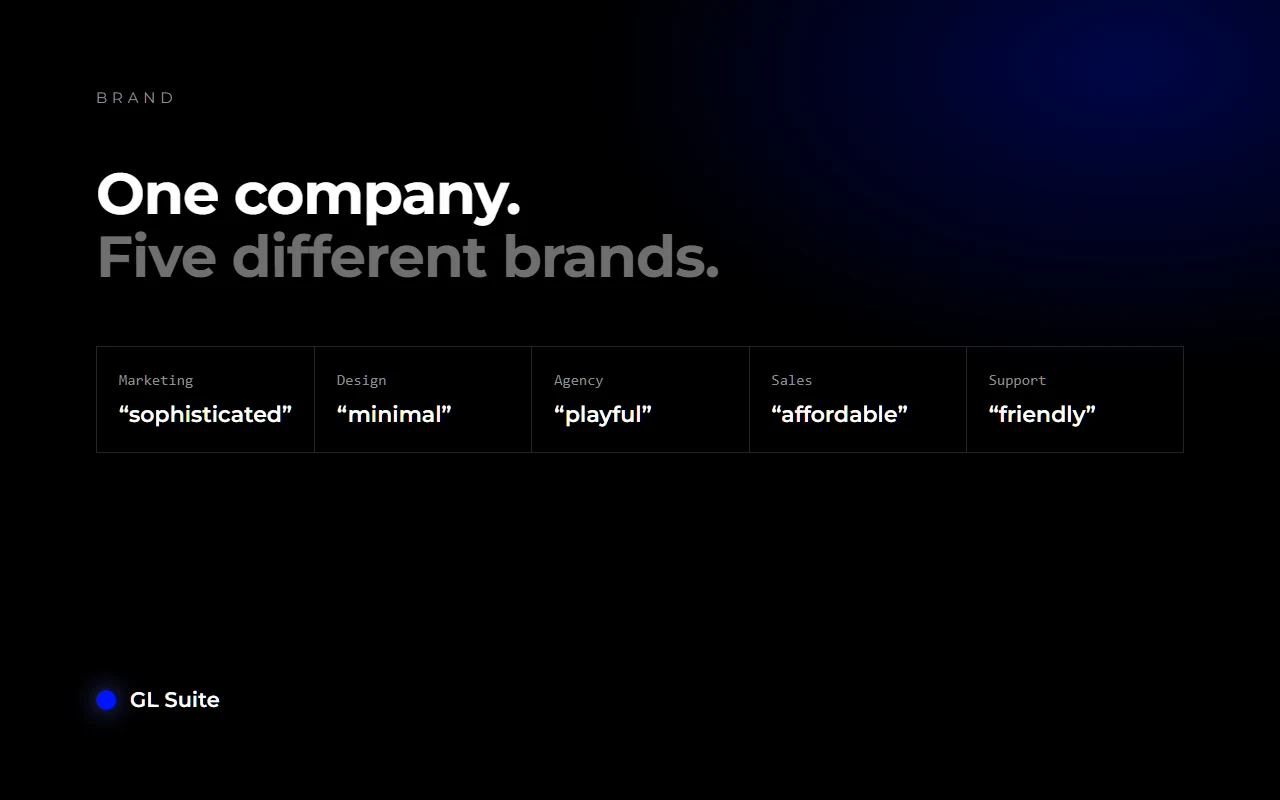
Try a simple test. Ask five people who work on your brand to describe it in three words: someone in marketing, the designer, the agency copywriter, someone in sales and whoever handles customer support.
If all fifteen words point in the same direction, great, that's rare. What usually comes back is "sophisticated", "affordable", "playful", "technical" and "friendly" for the same company.
It's not a branding detail
It sounds like agency talk, but the effect is concrete. Each of those people produces something in the brand's name every week: a post, an ad, a proposal, a reply to a customer, a landing page. If each one starts from a different idea, customers meet a different brand depending on where they came in.
And media doesn't fix that, it amplifies it. Investing in reach before aligning the message means paying for more people to see the confusion.
Why positioning never leaves the slide
Almost every company has done some brand work at some point. The problem is usually the format it ended up in.
It lives somewhere nobody opens. A deck approved in a meeting two years ago is not a reference for the copywriter who joined last month.
It's too abstract. "We are innovative and human" doesn't help anyone decide whether an ad should sound casual or formal.
It doesn't cover the visuals. The tone of voice was defined, but visual direction was left to whoever designs. Or the other way around.
Three questions to check
- Can a new copywriter write a post in the right tone without asking anyone?
- Can an outside designer create a piece that looks like the brand using only the reference you have?
- When someone says a piece "doesn't feel like us", is there somewhere to point to explain why?
If any answer is no, the brand still depends on the memory of whoever was there at the beginning. That's where BrandMeUp came from: bringing positioning, tone of voice and visual direction into one place that writers, designers and agencies all check.